
Tensions Escalate as Iran Strikes Israel in Retaliation Over Alleged Targeting of Hamas Leader in Tehran -All Eyes Now on Qatar’s Next Move
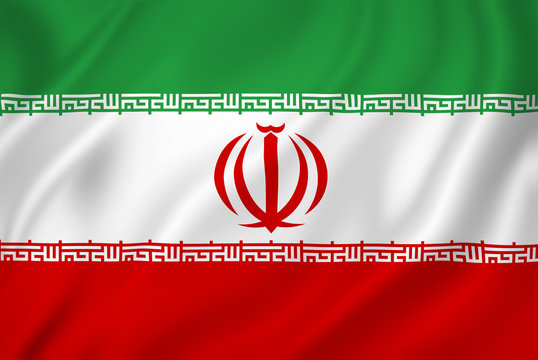
In a dramatic escalation of hostilities in the Middle East, the Islamic Republic of Iran has reportedly launched a series of missile attacks against Israeli targets, in what officials in Tehran have described as a direct retaliation for an Israeli operation that allegedly targeted senior Hamas political leader, Ismail Haniyeh, within Iranian territory. The incident, if confirmed, marks a dangerous deepening of the conflict, with regional powerhouses now drawn into what was previously a contained Israeli-Palestinian confrontation.
Ismail Haniyeh, the exiled head of Hamas’s political bureau, is widely believed to have strong backing from both Iran and Qatar, and often moves between these countries as part of his diplomatic and organisational duties. Israeli intelligence has long accused Haniyeh of coordinating attacks on Israel from abroad, while Iran openly supports the Palestinian cause, framing it as a central pillar of its foreign policy.
Tehran’s swift military response has set off alarm bells across international diplomatic circles, with fears of a wider regional war becoming more pronounced. Israel, for its part, has not officially confirmed responsibility for the attack on Haniyeh, but Iranian officials have squarely laid the blame at Tel Aviv’s feet, calling the strike a “provocation” and “violation of sovereignty.”
Now, the spotlight turns sharply to the State of Qatar, a key regional actor with strong ties to Hamas leadership, a delicate diplomatic relationship with both the West and Iran, and a history of positioning itself as a mediator in regional disputes. As tensions surge, analysts and observers are closely watching to see how Doha will navigate this increasingly volatile situation.
Qatar has traditionally provided political shelter and financial aid to Hamas leaders, including Haniyeh, while also maintaining strategic relations with the United States and hosting the largest American military base in the region. With its deep involvement in regional diplomacy, any statement, or silence, from Qatar at this moment could carry significant geopolitical weight.
Will Doha condemn the violence, attempt to mediate between Tehran and Tel Aviv, or issue a carefully worded statement urging restraint from both sides? As of now, the Qatari government has remained tight-lipped, with no official comment released. However, sources within diplomatic circles suggest that behind-the-scenes consultations are already underway, as Qatari officials seek to manage the fallout and avoid being pulled further into a spiralling conflict.
As missile fire and rhetoric intensify across the region, the world watches closely, not just for the next military move, but for Qatar’s diplomatic response, which could either help cool tensions or further complicate an already combustible situation.


