Thunderstorms Claim 69 Lives Across India and Nepal Amid Rising Climate Concerns
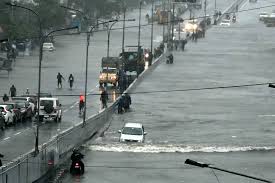
A wave of intense thunderstorms has tragically claimed the lives of at least 69 people across India’s Bihar State and neighbouring Nepal, marking one of the deadliest weather-related incidents in the region this year. Authorities confirmed the fatalities on Saturday, attributing the majority of the deaths to severe lightning strikes that accompanied the storms earlier in the week.
In Bihar, one of India’s most populous and agriculturally dependent states, the State Disaster Management Authority revealed that 61 people lost their lives following thunderstorms that swept through the area on Thursday and Friday. Meanwhile, in Nepal, officials disclosed that eight individuals were killed by lightning strikes during similar weather events on Wednesday and Thursday.
The India Meteorological Department has issued warnings for continued heavy rainfall in Bihar, raising fears of further casualties and property damage in a region already grappling with seasonal vulnerabilities. Local emergency services remain on high alert as storms continue to batter rural communities.
While flash floods and lightning are not uncommon during South Asia’s monsoon season, scientists and environmental experts are increasingly linking the intensification and frequency of such extreme weather events to the broader impacts of global climate change.
According to a 2023 study by researchers at Fakir Mohan University in Odisha, India has experienced a significant surge in deadly lightning strikes over the past decade. Between 1967 and 2020, lightning was responsible for 101,309 deaths across the country, with a sharp rise observed between 2010 and 2020. On average, lightning strikes currently claim the lives of nearly 1,900 people annually in India, the world’s most populous nation.
Experts have repeatedly warned that rising global temperatures—combined with changing weather patterns and increased moisture levels in the atmosphere—are intensifying thunderstorms and lightning occurrences. These phenomena are proving particularly deadly in rural and agrarian regions, where exposure to open fields and minimal early warning systems leave residents vulnerable.
The latest fatalities underscore the urgent need for stronger disaster preparedness, better climate-resilient infrastructure, and increased public awareness across both India and Nepal. As authorities brace for more rainfall in the coming days, the focus remains on saving lives and mitigating further impact in already devastated communities.