U.S. Supreme Court Clears Path for Trump’s Proposed Federal Workforce Overhaul

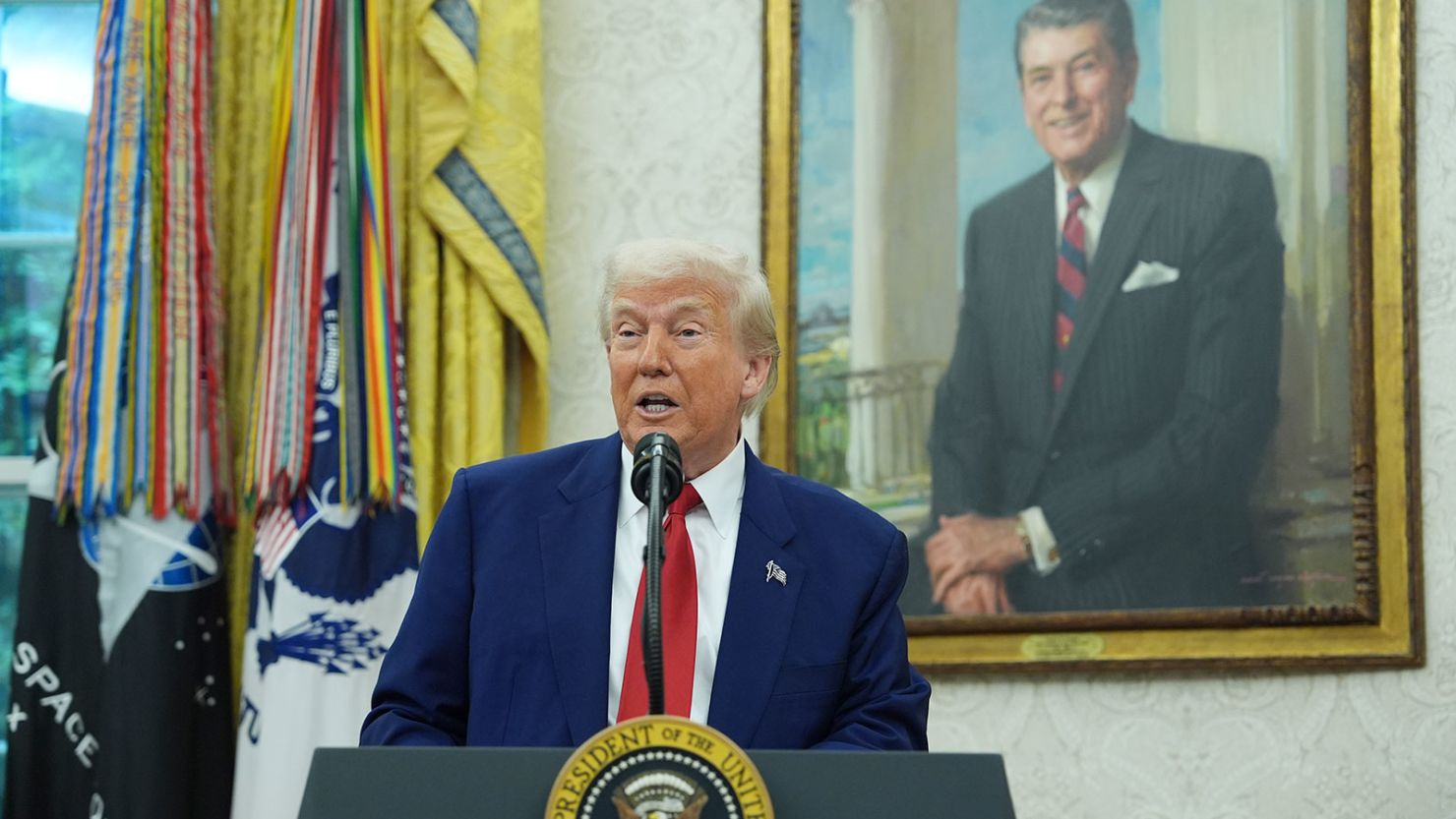
In a major legal development that could have far-reaching implications for the structure of the American civil service, the Supreme Court of the United States has lifted a lower court ruling that previously blocked former President Donald Trump’s plan to execute mass layoffs within the federal bureaucracy. The decision paves the way for a potential return to Trump’s vision of a leaner, loyalty-driven federal workforce, should he reclaim the presidency in 2025.
The ruling, handed down in Washington D.C., effectively dismantles legal barriers that had prevented the implementation of what is known as “Schedule F,” a controversial executive order Trump introduced during his first term. The policy sought to reclassify tens of thousands of federal employees as “at-will” appointees, thereby stripping them of long-standing civil service protections and making it easier to remove staff deemed disloyal or resistant to the administration’s policies.
Although the order was rescinded by President Joe Biden upon assuming office in January 2021, Trump has since signaled his intent to revive and expand the plan if re-elected. With the Supreme Court’s latest decision, the legal precedent now appears to favour such a move, sending ripples across Washington’s political and administrative landscape.
Critics argue that the reinstatement of Schedule F could lead to an unprecedented purge of career civil servants and open the door for partisan staffing of critical government institutions. They fear that it would weaken the merit-based system designed to ensure continuity and independence in public service. Supporters, on the other hand, claim the measure is necessary to eliminate what they describe as an entrenched “deep state” that frustrates elected leaders’ mandates.
The case has become a flashpoint in the wider debate over executive power and bureaucratic accountability in the U.S. constitutional framework. By removing the judicial block, the Supreme Court has effectively affirmed the president’s authority to reshape the federal workforce in line with his policy objectives—an interpretation that could significantly expand executive influence over the administrative state.
As Donald Trump intensifies his campaign for a second term in the White House, this ruling may embolden his base and strengthen his message of governmental overhaul. However, it also raises concerns among legal scholars, public sector unions, and governance experts who warn that politicizing the civil service could undermine institutional integrity and democratic norms.
For now, the decision remains a potent reminder of the Supreme Court’s growing role in shaping the future of American governance, especially as it relates to presidential powers and the balance between political leadership and civil bureaucracy. With the 2024 presidential election drawing closer, the implications of this ruling are likely to feature prominently in the national discourse.