Understanding Blood Pressure: A Crucial Guide to Identifying Risks and Staying Healthy
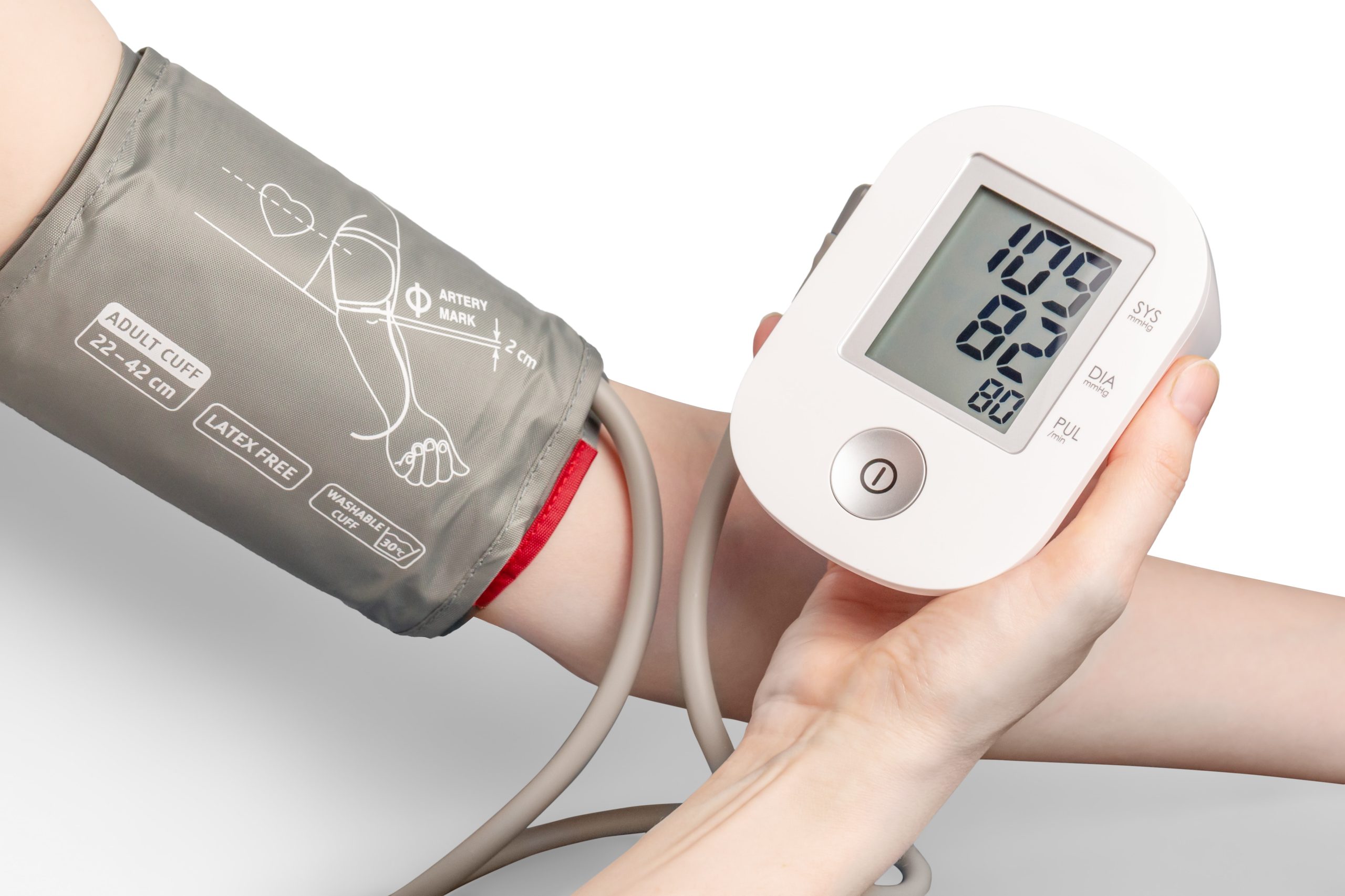
In a country like Nigeria, where cardiovascular diseases remain one of the leading causes of sudden deaths, proper knowledge of blood pressure categories has become more critical than ever. A recently circulated chart by medical experts has offered a clear and practical breakdown of blood pressure ranges, helping individuals identify whether their readings fall within normal, elevated, or dangerously high or low levels.
According to the chart, normal or ideal blood pressure falls within the range of 100/65 mmHg to 120/80 mmHg. This is considered the healthiest zone, indicating the heart is working efficiently without placing undue stress on the arteries. Readings slightly above this level — from 121/81 to 129/84 — are classified as high-normal and may serve as a warning to begin monitoring lifestyle habits before conditions worsen.
When blood pressure readings move into the range of 130/85 to 139/89 mmHg, a person is considered to have pre-hypertension. At this stage, while no immediate danger may be present, it signals an increased risk of developing full-blown hypertension if corrective measures are not taken, such as reducing salt intake, managing weight, engaging in regular physical activity, and limiting stress.
Hypertension is classified into four progressive stages, with Stage 1 starting from 140/90 mmHg up to 159/99 mmHg. Stage 2 ranges from 160/100 mmHg to 179/109 mmHg, and Stage 3 goes from 180/110 mmHg to 210/120 mmHg. Any blood pressure reading exceeding 210 systolic or 120 diastolic falls under Stage 4 and is considered a hypertensive crisis. This is a medical emergency that requires immediate attention to prevent stroke, heart failure, or kidney damage.
On the flip side, extremely low blood pressure can also be dangerous. Readings between 90/60 mmHg and 99/64 mmHg are considered low normal, which may still be acceptable for some individuals without symptoms. However, when blood pressure drops to 70/40 mmHg or lower, it enters the range of moderate to severe hypotension, which can cause dizziness, fainting, fatigue, and in extreme cases, shock. Blood pressure below 50/35 mmHg is termed extremely low and requires urgent medical intervention to prevent life-threatening complications.
This comprehensive categorization was provided by Jupiter Concierge Family Practice and has been widely acknowledged by health professionals globally for its simplicity and clarity. It serves as a valuable tool not just for medical practitioners, but for individuals seeking to take proactive control of their health.
Health experts in Nigeria are urging citizens to regularly check their blood pressure, especially those over the age of 40 or with a family history of hypertension or heart-related illnesses. Early detection, lifestyle modifications, and adherence to prescribed medication can significantly reduce the risk of complications associated with both high and low blood pressure.
With heart disease accounting for a growing number of deaths annually in the country, especially among middle-aged and older adults, public health awareness and preventive measures remain the best line of defence.