UNICEF Launches Ambitious Polio Vaccination Drive to Immunize Over One Million Children in Taraba State
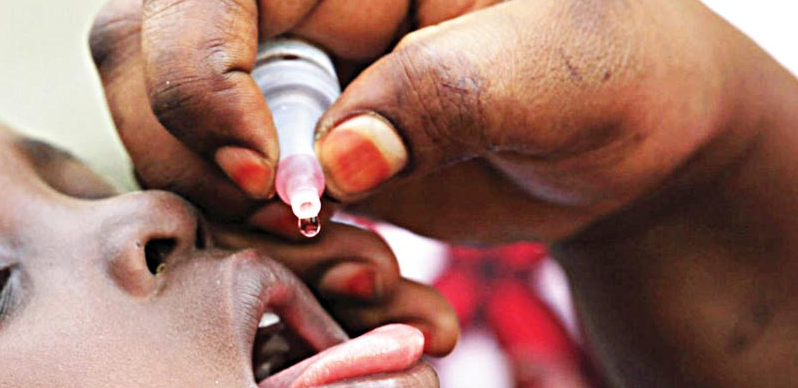
UNICEF has officially launched a comprehensive polio vaccination campaign across Taraba State, targeting over one million children under the age of five in a bold move to eradicate the crippling disease from the region. The initiative was officially flagged off on Saturday in Jalingo, the state capital, as part of a broader effort to protect children from preventable diseases and reinforce public health within the state.
Speaking at the event, Nuzhat Rafique, Chief of UNICEF’s Bauchi Field Office, emphasised the critical nature of the campaign, highlighting its focus on reaching every eligible child, especially those living in hard-to-reach and underserved communities. “Today marks a significant day for every child in Taraba State. Polio remains a threat that must be eliminated, and vaccination is the proven path to achieving this goal,” she stated. Rafique further reminded parents that over one million children in Taraba are eligible for the vaccine and urged them to ensure their children receive the immunisation. “This is the final year that UNICEF will provide direct support for the polio eradication programme in Nigeria. The world is watching, and it is vital that no child is left behind,” she added.
Alhaji Aminu Jauro Hassan, Chairman of the Association of Local Governments of Nigeria (ALGON) in Taraba and also Chairman of Jalingo Local Government Area, commended the partnership between UNICEF and the state government, particularly acknowledging the release of counterpart funding dedicated to child health initiatives. However, Hassan raised concerns over reported low vaccination compliance in some areas, specifically Jalingo, Ardo-Kola, and Bali Local Government Areas, calling on parents in these localities to actively participate and ensure their children are vaccinated.
Meanwhile, Dr Nuhu Tukura, Executive Secretary of the Taraba State Primary Health Care Development Agency, expressed gratitude to UNICEF, the World Health Organisation, and other development partners for their sustained support in strengthening health interventions across the state. He stressed that the fight against polio and other preventable diseases requires a collaborative effort between the government and the citizens, urging everyone to take collective responsibility for the health of the community.
This campaign stands as a crucial step toward eliminating polio from Taraba State and reflects Nigeria’s continued commitment to safeguarding the health and future of its children through targeted immunisation efforts.