
US shutdown: Embassy assures Nigerians visa, passport services to continue
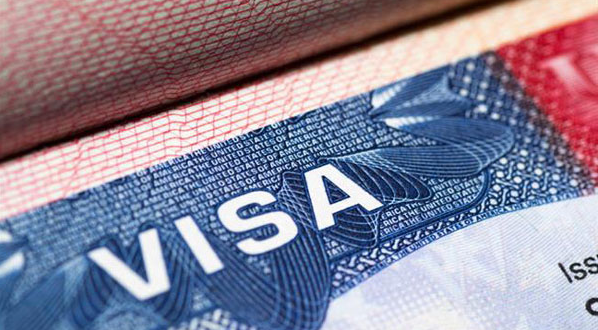
The United States Embassy in Nigeria has confirmed that visa and passport services at its offices in Abuja and Lagos will continue without disruption, despite the ongoing partial shutdown of the U.S. federal government. The announcement is aimed at reassuring applicants and U.S. citizens in Nigeria concerned that the political deadlock in Washington could affect consular operations.
In a notice released on Wednesday via its official communication channels, the Embassy stated that while its social media accounts may see reduced updates during the shutdown, consular appointments and document processing remain unaffected. “All scheduled visa interviews and passport services will proceed as planned. Applicants are advised to attend their appointments as normal,” the statement read.
An Embassy spokesperson further clarified the position, noting that consular services operate under a different funding stream. “Visa and passport operations are self-funded through the fees applicants pay. These services are not dependent on annual congressional appropriations and are therefore continuing as normal,” the spokesperson explained.
This financial arrangement, common to U.S. missions worldwide, ensures that services critical to international travel, immigration, and citizenship support remain operational even when broader U.S. government activities are curtailed. In practice, this means Nigerians applying for visas, whether for study, work, or tourism, face no interruption, and U.S. citizens in Nigeria requiring passport renewals or consular assistance can still access them.
By contrast, a U.S. government shutdown typically affects domestic services funded by congressional budgets, such as the closure of national parks, suspension of research programs, and furlough of hundreds of thousands of federal workers deemed “non-essential.” Essential functions, including the military, law enforcement, postal delivery, and social welfare payments, continue to operate.
The latest funding impasse in Washington has already forced several U.S. agencies to scale back operations, but officials have stressed that international consular services are insulated from these disruptions. “For Nigerians with travel plans, there is no cause for concern,” the Embassy emphasized, underscoring its commitment to continuity.
Members of the public seeking updates on consular operations are encouraged to consult the Embassy’s official website at ng.usembassy.gov and the U.S. State Department’s travel site, travel.state.gov. Both platforms provide up-to-date information on visa applications, passport services, and any changes to consular procedures.
With this reassurance, the Embassy has sought to put to rest fears of a spillover impact from the political standoff in Washington, reaffirming that its doors remain open for all consular services in Nigeria.


